July 07, 2026
Bankruptcy doesn't have to be the end—BR Interviews Insolvency Administrator Matthias Räupke

In the Bayerischer Rundfunk broadcast from July 6, 2026 (min. 3–6), insolvency administrator Matthias Räupke makes it clear that insolvency does not necessarily spell the end for a company. Using Fluhr Displays GmbH & Co. KG as an example, he shows how a long-established company can maintain prospects for the future despite insolvency.

In September 2025, Fluhr Displays filed for bankruptcy. Rather than halting production and shutting down operations, bankruptcy trustee Räupke, together with the SGP Corporate Finance team, focused on continuity and structure: Business operations in Fischach continued without interruption, a structured investor process was initiated, and potential buyers were specifically approached, evaluated, and compared.
The result of this process was a viable solution for the company’s continued operation: At the turn of the year, the ChickenTrailer Group acquired Fluhr Displays’ key assets and operational business through an asset deal. A large portion of the workforce was retained, ensuring that the majority of jobs at the site were preserved.
To put it figuratively: For Fluhr Displays, the insolvency was not a demolition squad, but rather the starting point for a fresh start under new ownership. The ChickenTrailer Group is now utilizing the existing capacities in two ways—for components of its mobile chicken coops and for the traditional display business under the “Fluhr Displays” brand. In this way, the company remains present in the market as a capable industrial partner, while at the same time securing regional jobs.
The Fluhr Displays case vividly illustrates what Matthias Räupke emphasized in his BR interview: With professional insolvency administration and a clearly structured investor process, insolvency can pave the way for the sustainable continuation of a business—to the benefit of employees, customers, and the region.



More Articles

November 03, 2026
Why Early Crisis Communication Is Key to the Success of Restructuring
When a company finds itself in financial distress, every day counts. Yet in crisis situations, action is often taken too late, and silence is maintained for too long. In practice, attempts at turnaround and restructuring in small and medium-sized enterprises rarely fail due to a lack of strategies—the real sticking point usually lies in the fact that warning signs are overlooked, problems are swept under the rug internally, and key stakeholders are not brought on board in a timely manner. Dr. Markus Mairgünther, attorney at SGP Schneider Geiwitz & Partner PartGmbB (Augsburg und München), explains how entrepreneurs, managing directors, and turnaround consultants can build trust and initiate a turnaround through early, transparent crisis communication.
vonMarkus Mairgünther
October 26, 2026
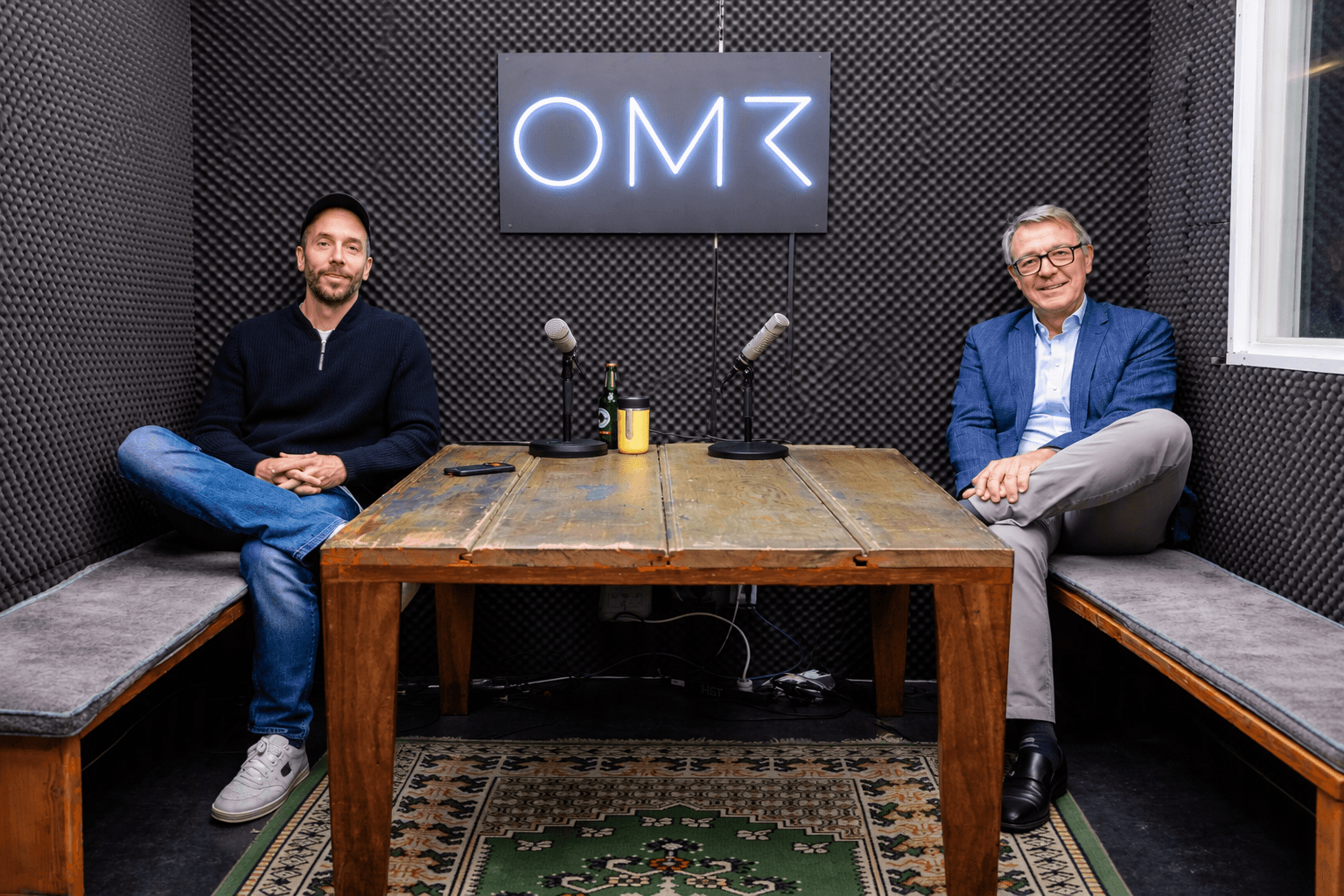
A conversation with Philipp Westermeyer: Arndt Geiwitz on the OMR Podcast
On the OMR Podcast, Philipp Westermeyer speaks with Arndt Geiwitz, a certified public accountant, tax advisor, and partner at SGP Schneider Geiwitz.
vonAntonia Peter
October 15, 2026
Feature Article on B4BSchwaben – When the Numbers Take a Turn for the Worse: 5 Early Warning Signs for Crisis Detection
Today, October 15, an expert article by our colleague Matthias Räupke (attorney and insolvency administrator at SGP Restrukturierung in Augsburg) was published on the regional business portal B4Bschwaben.de. The article discusses how small and medium-sized enterprises can identify warning signs in a timely manner and effectively prevent a crisis that threatens their very existence.
vonMatthias Räupke