March 18, 2026
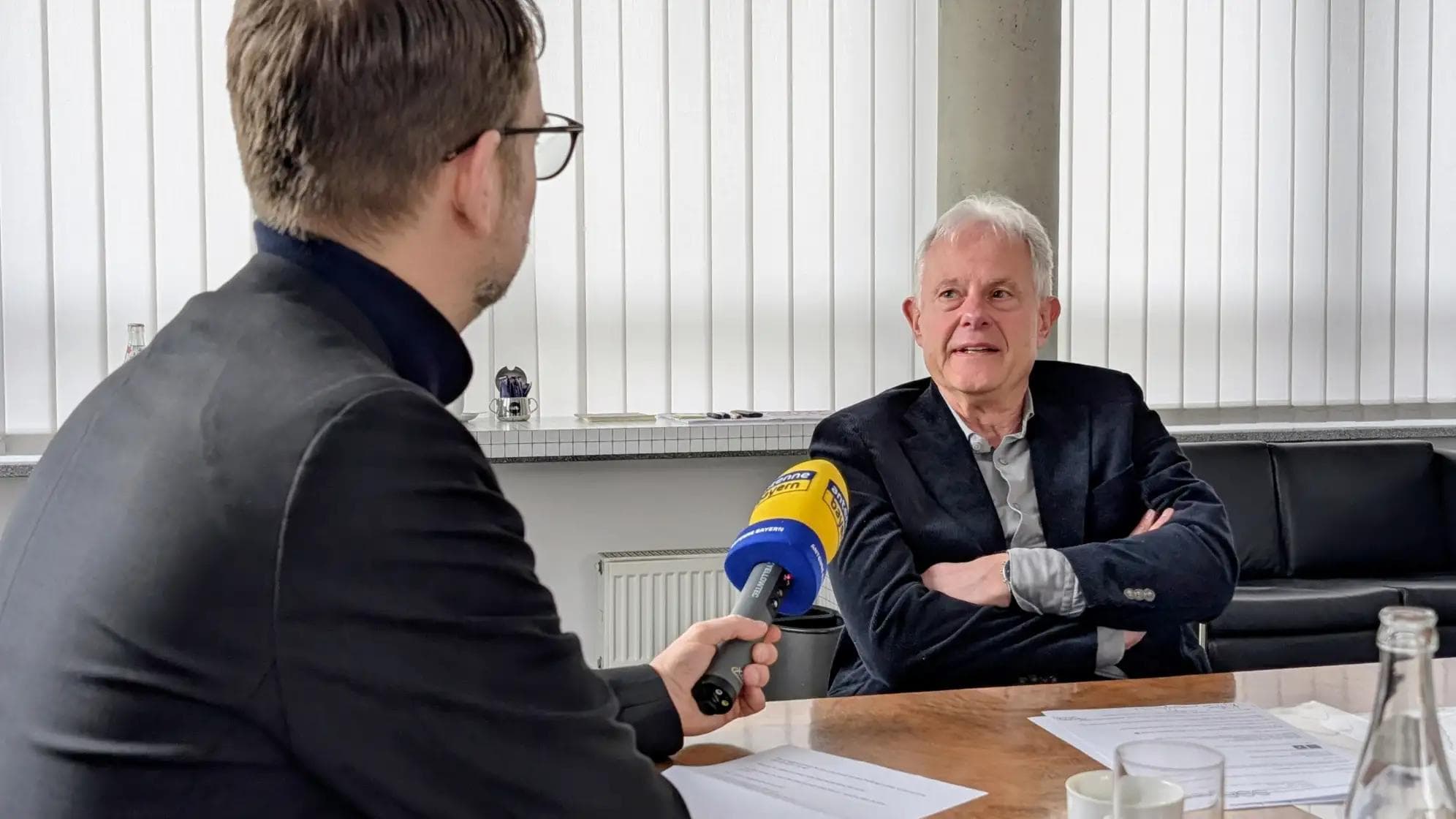
A look at corporate insolvencies in Bavaria: Interview with Christian Plail

Corporate insolvencies in Bavaria have risen by about 11 percent—across all industries. Insolvency administrator Christian Plail of SGP Schneider Geiwitz explains why the wave has not yet peaked, what companies should keep in mind now, and how professional restructuring can help preserve jobs.
Corporate Insolvencies in Bavaria: Trends and Causes
The number of insolvencies in Bavaria is rising significantly. According to Christian Plail, this is evident not only in the statistics but also, in practical terms, “in the case numbers at the courts”—small, medium-sized, and, increasingly, larger cases are affected. In his view, one cause is a significant catch-up effect following the COVID-19 pandemic, during which government aid and the temporary suspension of the obligation to file for insolvency delayed many proceedings.
Plail emphasizes that the current crisis is affecting all industries—from the food industry and retail to mechanical engineering, the automotive sector, and the chemical industry. In addition to structural and cyclical factors, management errors also play a role: warning signs are often recognized too late, and in many companies, management based on financial figures and liquidity is inadequate. Compounding this is the repayment of COVID-19 aid, which is now triggering additional liquidity bottlenecks.
“You should keep your numbers under control, monitor your accounting, and take corrective action in a timely manner,” Plail warns.
How SGP Schneider Geiwitz Guides Companies Through the Crisis
When the experts at SGP Schneider Geiwitz step in to handle a case, there is often already a sense of acute crisis: unpaid wages, halted deliveries, and the threat of power shutoffs. In this phase, the initial focus is on systematic “troubleshooting”: calming the situation, quickly understanding the business model, securing liquidity, and stabilizing operations.
The objective is clearly stated:
“Our goal is always to preserve the healthy core of a company and secure jobs.”
As an interdisciplinary group of companies, SGP Schneider Geiwitz combines restructuring, legal counsel, auditing, tax consulting, corporate finance, financial advisory, and real estate management. Among other things, the financial advisory team provides support in developing restructuring concepts, conducting financial analyses, identifying investors, and managing transactions. In economically challenging times, the demand for such restructuring and turnaround consulting increases significantly.
Early Crisis Detection and Transparent Communication
For companies in crisis, Plail recommends three key areas of action:
- consistent monitoring of liquidity and financial figures
- early involvement of external consultants
- open communication with banks, employees, and other stakeholders
Insolvency under self-administration can be an option, particularly in larger proceedings. The business owner remains “in the driver’s seat” provided there is good faith and a viable restructuring plan. The court appoints a trustee to oversee the process—an approach that requires intensive consultation and a clear restructuring plan.
Conclusion
Corporate bankruptcies in Bavaria will continue to be a concern for the economy in the coming years. For Plail, one thing is clear: Companies that know their numbers, take warning signs seriously, and seek professional assistance early on significantly increase their chances of a successful turnaround. A structured turnaround plan can help companies return to profitability in the long term. Despite all the challenges, he remains optimistic: With courage, determination, and interdisciplinary expertise, it is possible to safeguard healthy core operations and preserve jobs.
Link to the full interview with Antenne Bayern: „Den gesunden Kern erhalten“ – Plail im Interview | ANTENNE BAYERN
More Articles

November 03, 2026
Why Early Crisis Communication Is Key to the Success of Restructuring
When a company finds itself in financial distress, every day counts. Yet in crisis situations, action is often taken too late, and silence is maintained for too long. In practice, attempts at turnaround and restructuring in small and medium-sized enterprises rarely fail due to a lack of strategies—the real sticking point usually lies in the fact that warning signs are overlooked, problems are swept under the rug internally, and key stakeholders are not brought on board in a timely manner. Dr. Markus Mairgünther, attorney at SGP Schneider Geiwitz & Partner PartGmbB (Augsburg und München), explains how entrepreneurs, managing directors, and turnaround consultants can build trust and initiate a turnaround through early, transparent crisis communication.
vonMarkus Mairgünther

October 26, 2026
A conversation with Philipp Westermeyer: Arndt Geiwitz on the OMR Podcast
On the OMR Podcast, Philipp Westermeyer speaks with Arndt Geiwitz, a certified public accountant, tax advisor, and partner at SGP Schneider Geiwitz.
vonAntonia Peter

October 15, 2026
Fachbeitrag auf B4BSchwaben – Wenn Zahlen kippen: 5 Frühindikatoren zur Krisenerkennung
Heute, am 15.10., ist auf dem regionalen Wirtschaftsportal B4Bschwaben.de der Expertenbeitrag unseres Kollegen Matthias Räupke (Rechtsanwalt und Insolvenzverwalter bei SGP Restrukturierung, Augsburg) erschienen. Der Beitrag thematisiert, wie mittelständische Unternehmen Warnsignale rechtzeitig identifizieren und einer existenziellen Krise wirksam vorbeugen können.
vonMatthias Räupke